

Breaking Free from Creative Labels
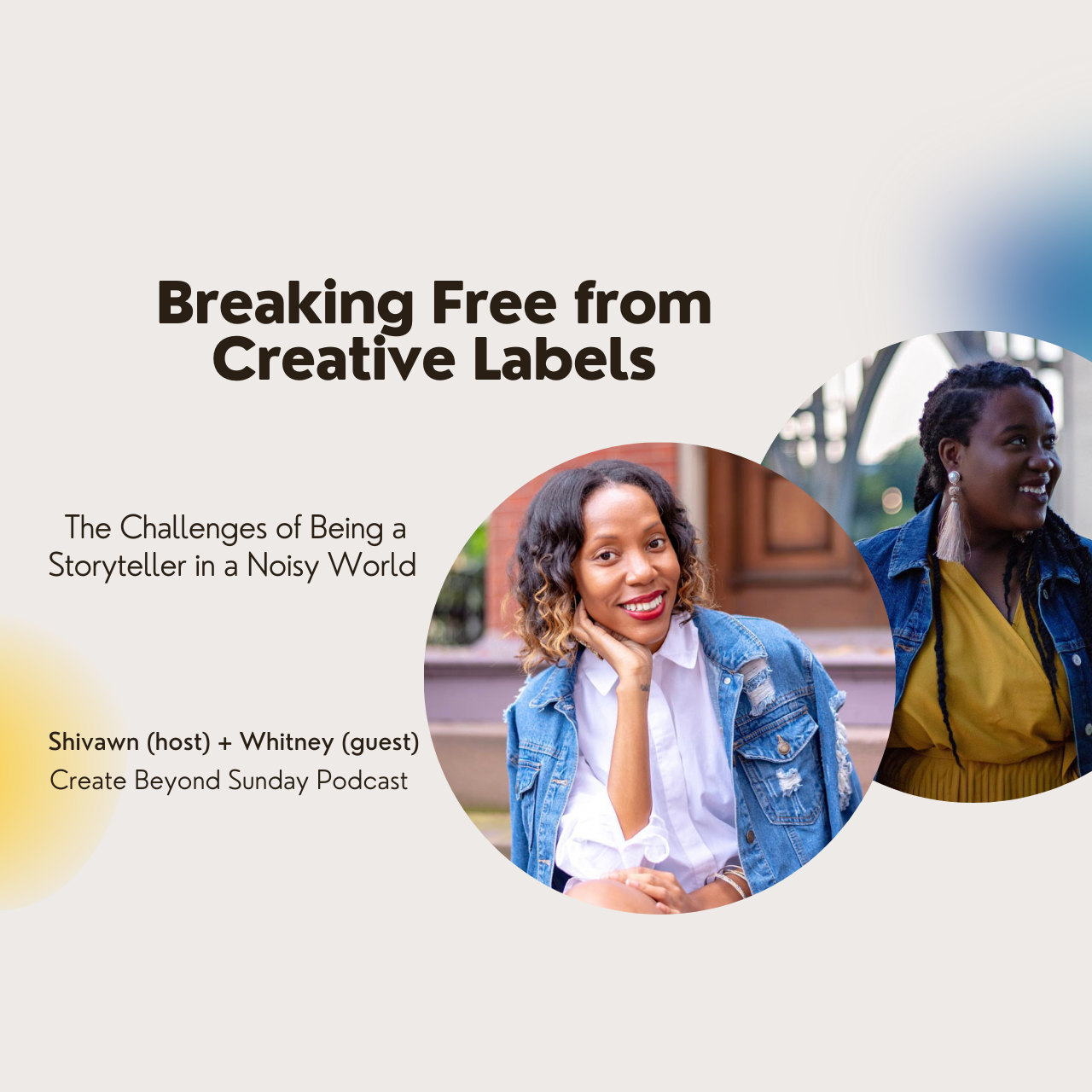
In this podcast episode, the hosts explore the significant role that TV shows and movies play in shaping our beliefs and values, particularly during our formative years. They argue that what we watch on TV can create our sociopolitical belief system and define our worldview. Additionally, the hosts suggest that our preferences in TV shows and movies can reveal important aspects of ourselves that we may not even be aware of.
The hosts also emphasize the importance of creativity in TV and movies, as it can unlock something within us and reveal a part of ourselves that is essential to our personal growth. They note that TV shows and movies can provide both the problem and the solution in the same episode, allowing us to digest and discuss the content.
However, the speakers express concern about the lack of moral center in modern TV shows, particularly in reality TV. They argue that traditional TV shows, such as I Love Lucy and Fresh Prince, had a stronger moral center and taught important lessons about navigating everyday life. The speakers suggest that the absence of moral lessons in modern TV shows is problematic, as TV can shape our belief systems.
[00:01:22] Falling in love with creating. [00:04:39] Falling in love with photography. [00:09:03] Pivoting in journalism. [00:11:37] Creative career paths. [00:16:42] Being a non-linear creative. [00:19:19] Being a storyteller. [00:26:06] Being a Christian podcaster. [00:29:05] Creativity and Christianity. [00:35:11] Entertainment's impact in church. [00:36:28] Importance of childhood media. [00:42:58] Centering everyday Black stories. [00:44:28] Awkward creativity in storytelling. [00:49:14] Slow storytelling in TV. [00:52:21] Lack of moral center in TV. [00:56:20] Creative projects and community. [00:03:23] Climate change and sustainability.
The hosts also discuss the pressure they feel to explain themselves and their creative work, as people often do not understand what they do. They express frustration with the expectation to constantly validate themselves and their work, and the attachment that people have to wanting something from them, such as trying to sell them a product. They emphasize that their goal is to tell stories and create content, rather than sell a product. However, they also acknowledge the fear of getting it wrong and potentially confusing or misleading their audience.
Overall, the hosts of the podcast highlight the significant impact that TV shows and movies can have on shaping our beliefs and values, and the importance of recognizing and valuing the creativity and moral center in the shows we watch. They also express concern about the lack of moral lessons in modern TV shows and the pressure they feel to explain themselves and their work.
